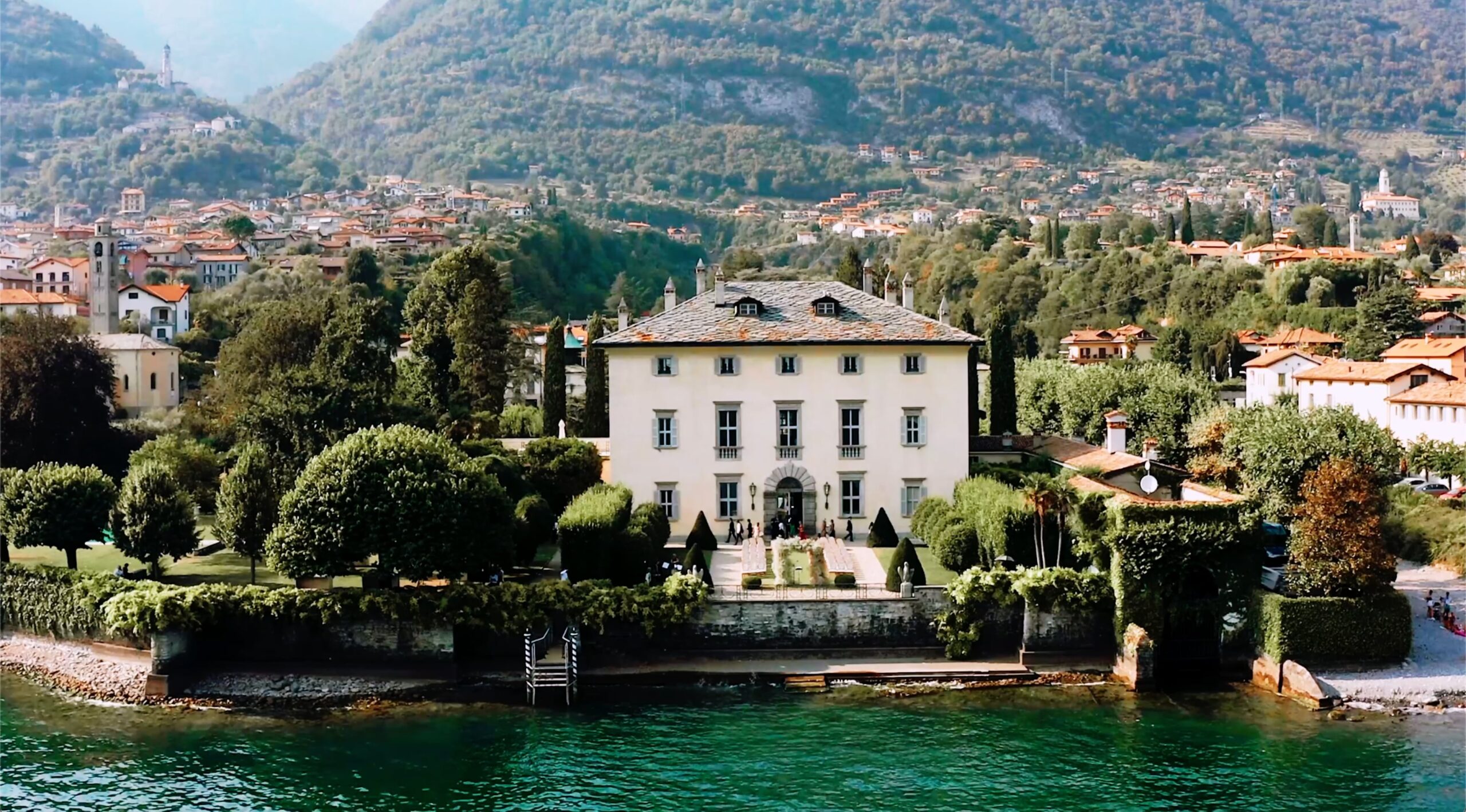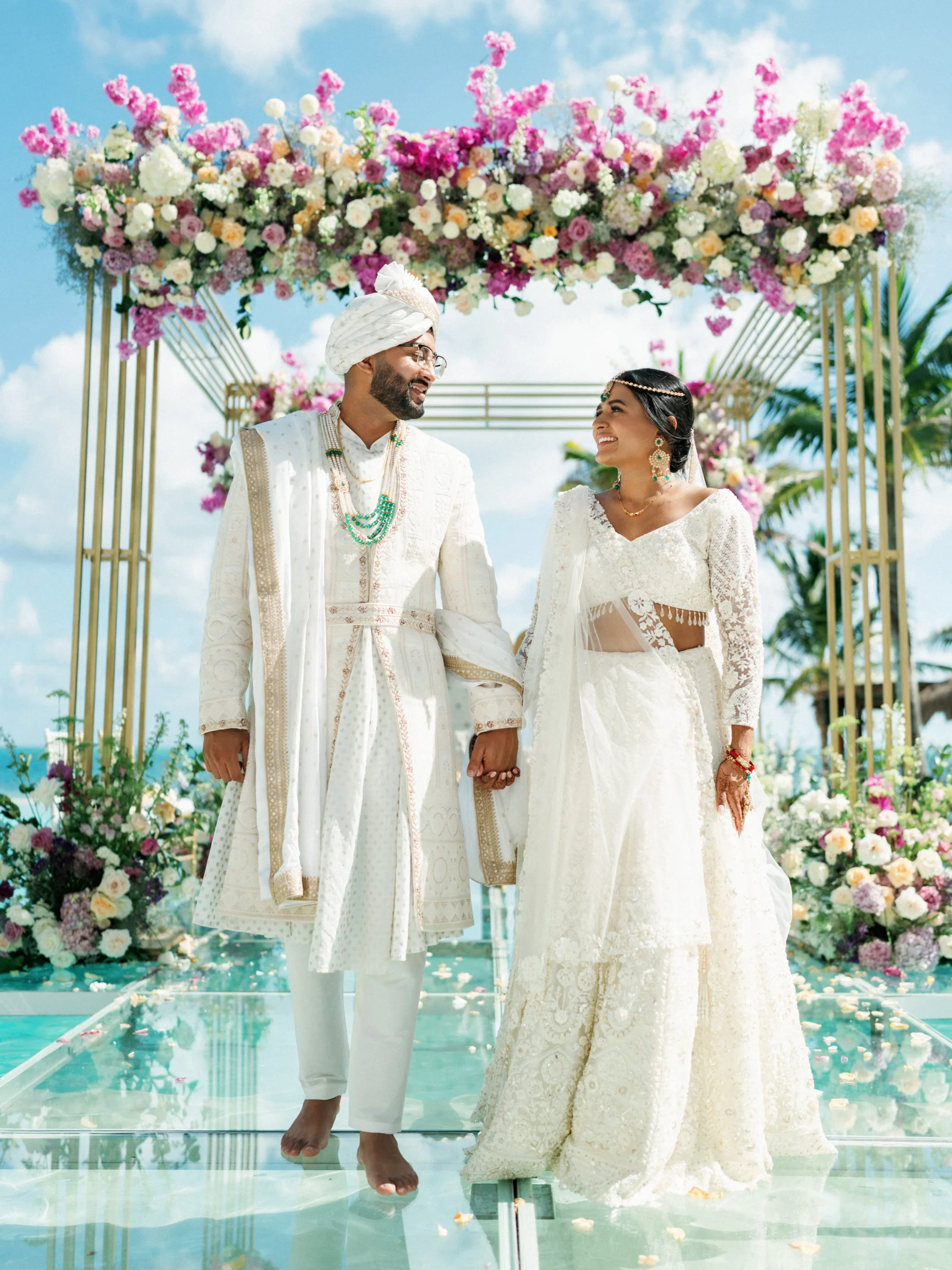
Explain what the moment means to your family
A tradition can have a familiar name and still be personal to the people taking part. Tell the team how your family observes it, who is involved and what you would most like to remember. The explanation helps the photographer and filmmaker understand where to give their attention.
You can also point out the moments that happen quietly around the formal event: a greeting, a preparation ritual, a particular relative's involvement or an exchange of personal words. These details are easier to anticipate when they are part of the planning conversation.
Put the full program in the coverage plan
Share celebrations on other days as well as the wedding-day schedule. Include changes of location, events taking place at the same time and any parts of the program with specific access arrangements.
The team size and coverage hours should follow that full picture. A plan built only around the ceremony start time can miss the preparation and family events that give the celebration its meaning.
Coordinate movement and sound
Discuss where the team can stand and move during the ceremony or ritual. Explain anything that needs particular care and identify the person who can help with practical questions on the day.
If voices, vows or speeches are important to the finished film, include the sound arrangements in the discussion. The team can coordinate microphones and recording sources with the people responsible for the ceremony and reception.
Make space for privacy and participation
Tell us which words or moments should remain private and whether your preferences differ between the film delivered to you and a public trailer. It is easier to plan those choices before editing begins.
The purpose of the coverage is to preserve your celebration while allowing you and your families to take part in it. Direction can help with portraits and planned photographs; the traditions themselves should remain connected to the people living them.